- 250 470-DONE (3663)
- [email protected]
- Mon - Fri: 8:00 - 6:00

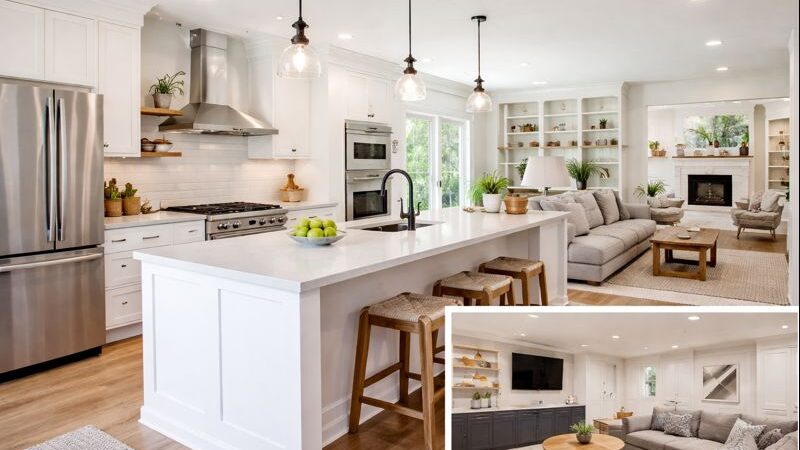
When people talk about renovation value, they usually mean resale. But the smartest renovations do two jobs at once: they make your home work better today and they make it more appealing (and easier to sell) later.
At Project Home Improvement, we see it all the time in the Okanagan: homeowners don’t regret investing in function—better layout, better storage, better comfort, fewer repairs—because those upgrades improve daily life and show well when it’s time to list.
Below is a practical way to choose renovations that balance value and function without overspending on the wrong things.
Before picking finishes, get clear on what’s not working:
When your renovation solves one or two of these pain points, it’s easier to justify the spend—and it’s easier for future buyers to feel the difference.
A kitchen can be beautiful and still frustrating. Renovation value goes up when you improve:
If you’re deciding what kind of kitchen updates make sense in the local market, it can help to compare your plan with what buyers are currently seeing in Kelowna—check out this internal guide on top home renovation trends in Kelowna.
Bathroom upgrades add real function when they focus on:
This is where “small changes” can feel huge day-to-day.
Basements add value when they become real living space: comfortable ceiling heights, proper lighting, good sound control, and a layout that fits your life (rec room, guest area, office, gym, storage).
If you’re considering a secondary suite, value can jump because you’re adding a self-contained unit with its own kitchen, bathroom, living area, and entrance—exact requirements vary, so it’s worth reviewing the City of Kelowna’s overview before you plan your layout.
Also: suites and many basement renos require permits and inspections, which help ensure work meets code and safety standards.
Energy upgrades aren’t just “savings later.” Good insulation and air sealing can make rooms more consistent and comfortable right away—especially in older homes. Natural Resources Canada’s guidance breaks down how insulation and air sealing work together as part of a solid retrofit plan.
If you’re trying to prioritize, start with the basics (air sealing + insulation), then look at windows/doors and mechanical upgrades. Natural Resources Canada also lists common retrofit categories and why insulation is one of the simplest ways to improve efficiency and comfort.
Curb appeal is value—but it’s also function when you choose upgrades that reduce maintenance and improve protection from weather. Think: entry doors, exterior repairs, durable finishes, and outdoor living spaces that actually get used.
(If you want a warm-weather checklist that pairs comfort and resale, our internal summer project guide is here: https://projecthomeimprovement.ca/kelowna-home-improvement/summer-home-improvement-projects-that-boost-value-and-comfort/.)
One of the easiest ways to hurt renovation value is work that can’t be verified or doesn’t meet local requirements.
Good paperwork, good inspections, and clear scope protect you now—and help when it’s time to sell.
Before you commit, ask:
What renovation gives the best “everyday” return?
Usually the one that fixes how the home lives: kitchen workflow, storage, and comfort upgrades (drafts/insulation/ventilation).
Do I need a permit for my renovation in Kelowna?
Many structural, plumbing, electrical, basement, and suite projects require permits—always check early based on your scope.
Is adding a secondary suite worth it?
It can be, but it depends on zoning, building code, design constraints, and budget—start by reviewing the City’s suite overview and requirements.
If you want to maximize renovation value without sacrificing everyday function, start with a plan that matches your home, your budget, and your goals. When you’re ready, book a consult through https://projecthomeimprovement.ca/contact/ so we can talk through options like kitchen and bathroom renovations, basement development, and suite-ready layouts.